
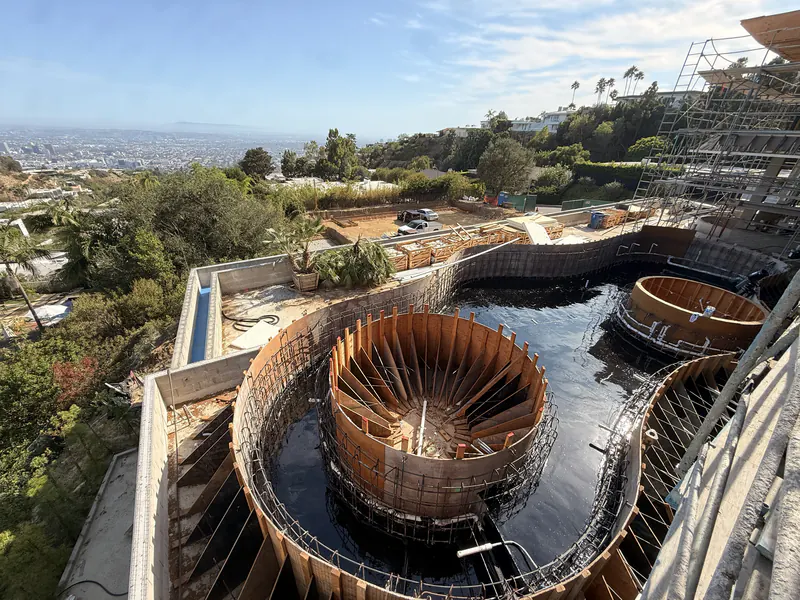
Expansion Joint Systems in Los Angeles, CA
Joint systems that let a building move without tearing the waterproofing, from sealant joints in a wall to joint covers across a garage deck.
Buildings move, from temperature swings, structural settling and, in Los Angeles, from seismic activity, and expansion joints exist to let that movement happen without tearing whatever waterproofing or coating is nearby. The work starts by identifying joint locations from the structural plan, removing any failed sealant or old joint material, prepping the joint edges, installing backer rod, then applying sealant or an engineered joint cover sized for the amount of movement expected, and tying the joint into the waterproofing on either side.
A lot of joint failures come down to using the wrong system for the amount of movement. Sealant used where an engineered joint cover was really needed tears within a season because it simply cannot stretch that far. Backer rod skipped means the sealant bonds on three sides of the joint instead of two, which makes it crack early no matter how good the sealant is. A joint that is not tied into the waterproofing on either side lets water in right at the gap, which is often the exact spot people assumed was already covered.
Los Angeles sees more frequent and more significant building movement from seismic activity than most parts of the country, so joints here need to be sized for that real movement, not just the thermal expansion a joint in a milder, more stable region would be designed for.
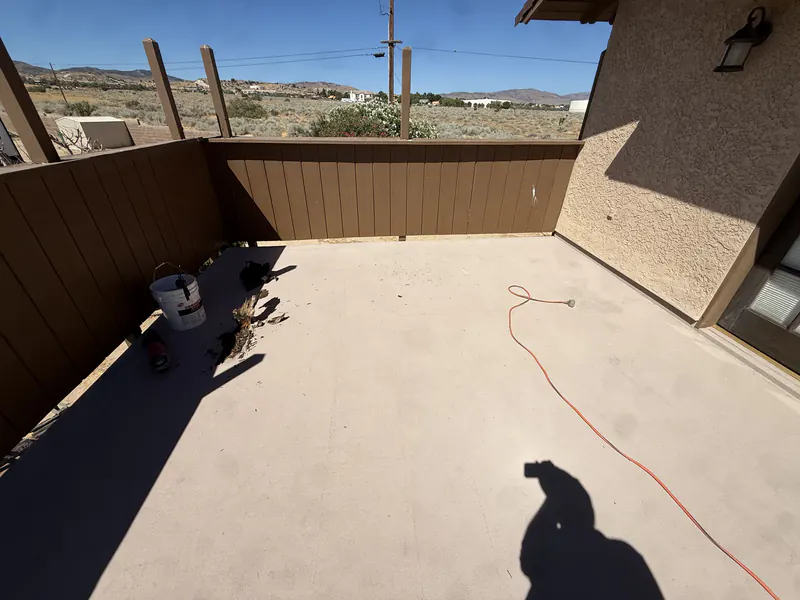
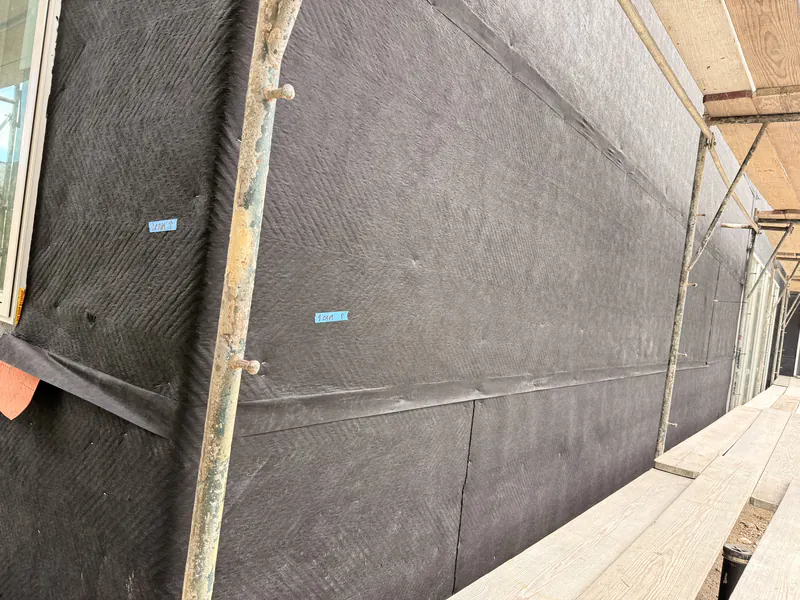
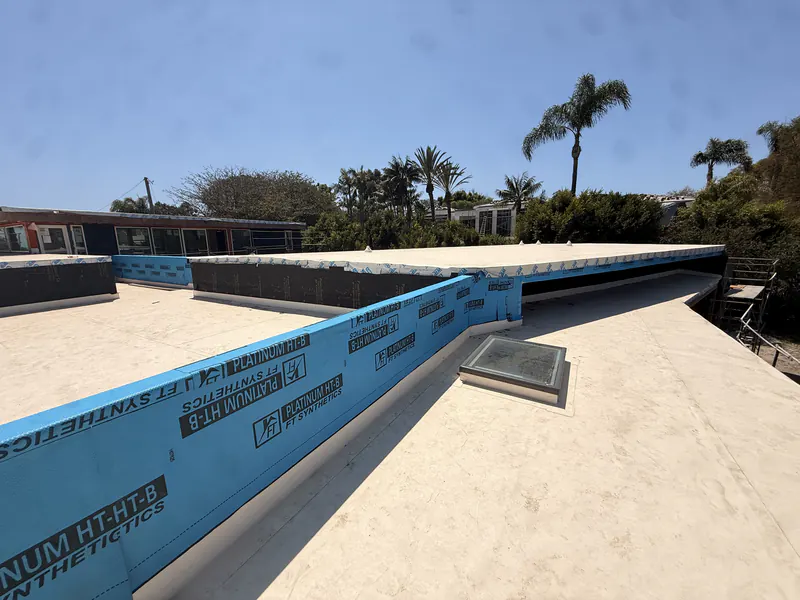
Expansion Joints in progress
How it runs
Assess movement
Expected building movement at each joint is reviewed to size the right system.
Remove old material
Failed sealant or worn joint covers are cut out and removed.
Prep joint edges
The edges of the joint are cleaned and prepared for a proper bond.
Install backer rod
Backer rod sets the right depth and prevents the sealant from bonding on the wrong sides.
Apply sealant or cover
Sealant or an engineered joint cover is installed based on the movement the joint needs to handle.
Tie into waterproofing
The joint is connected into the surrounding waterproofing so there is no gap at the edges.
Other things we install
Tell us about the project.
Send the property, the address and what you are seeing. If it is urgent, the phone is quicker than the form.